

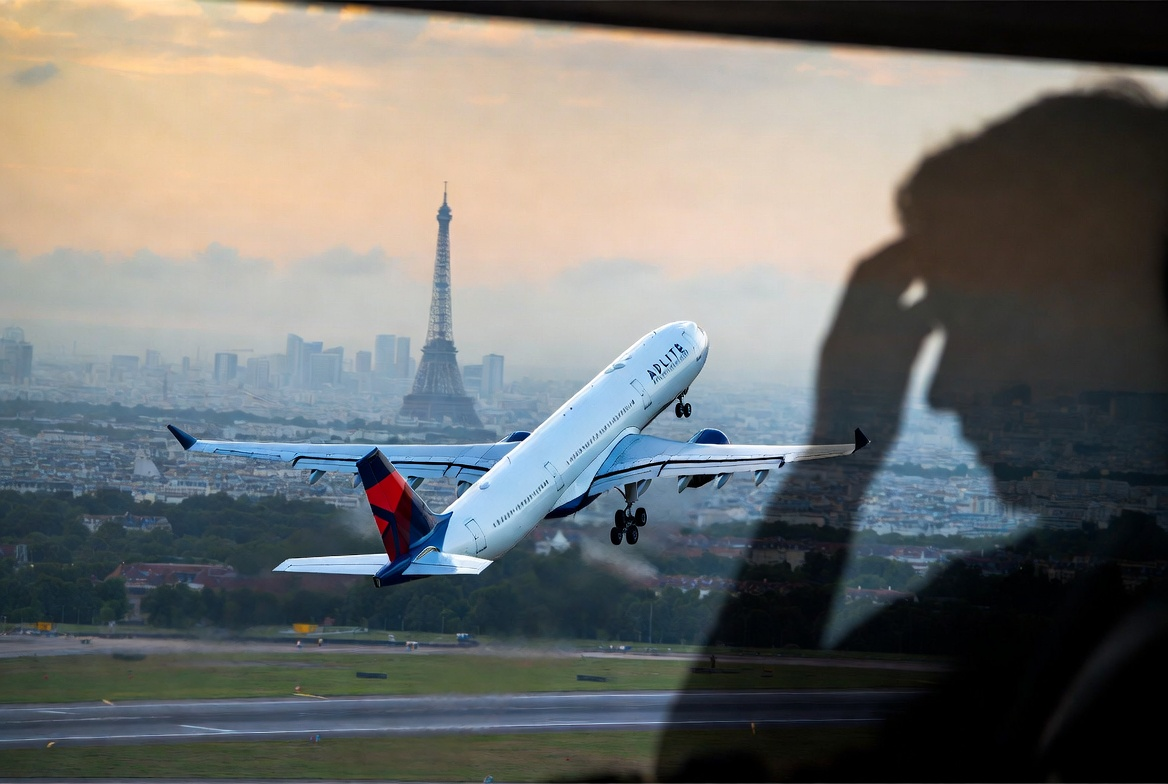
Imagine sitting comfortably in your seat, looking forward to a long transatlantic journey. You just took off from beautiful France, and you are ready to relax. Suddenly, the airplane stops climbing, and the captain speaks over the intercom. This exact scenario happened to passengers on a recent international flight. The Delta Flight DL153 Diversion became breaking news for aviation enthusiasts and travelers alike. The aircraft had to cancel its trip across the ocean very quickly.
Pilots face tough choices when a technical problem happens over land. They must act fast before they fly over the deep cold ocean water. Dealing with an airplane issue requires great skill and a very calm mind. In this article, we will look at exactly what caused this sudden flight change. We will also talk about how the airline handled the situation for everyone on board.
Complete Flight Breakdown Matrix
To help you understand the core facts quickly, we built a detailed timeline matrix. It outlines the specific schedule, aircraft details, and the route events.
| Flight Detail | Information Data Points |
| Airlines Operator | Delta Air Lines |
| Flight Identification | DL153 / DAL153 |
| Departure Airport | Paris Charles de Gaulle Airport (CDG) |
| Intended Destination | Minneapolis-Saint Paul International Airport (MSP) |
| Aircraft Model Type | Airbus A330-300 |
| Maximum Altitude Reached | 9,000 Feet |
| Emergency Squawk Code | 7700 (General Emergency) |
| Total Flight Duration | 53 Minutes |
| Diversion Outcome | Safe Return to Paris CDG |
Understanding the Delta Flight DL153 Diversion Route
Every daily flight has a regular path it likes to follow. For this trip, the plane leaves western Europe and heads northwest toward North America. The delta flight dl153 diversion changed this standard path completely. The flight took off normally from the runway in Paris and started to go up into the sky. However, the pilots stopped climbing much lower than usual.
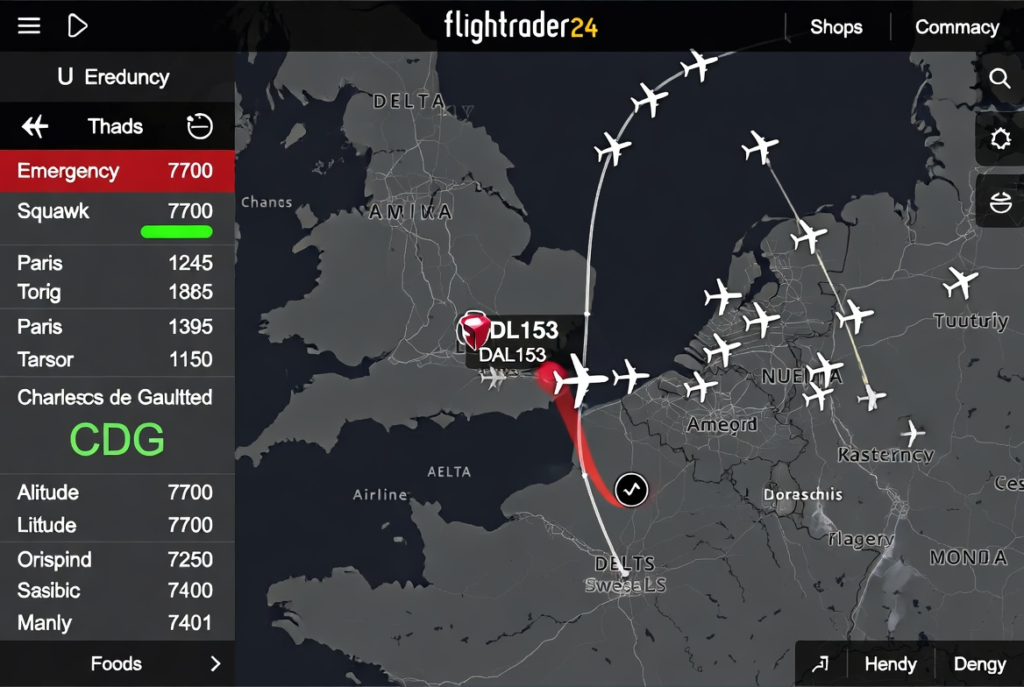
Instead of going up to 36,000 feet, the plane stayed at just 9,000 feet. Flight tracking data shows the plane making a wide turn back around. This happened less than twenty minutes after the tires left the ground. The pilots chose to stay close to land while they figured out the technical issue.
Why the Pilots Declared a Squawk 7700 Emergency
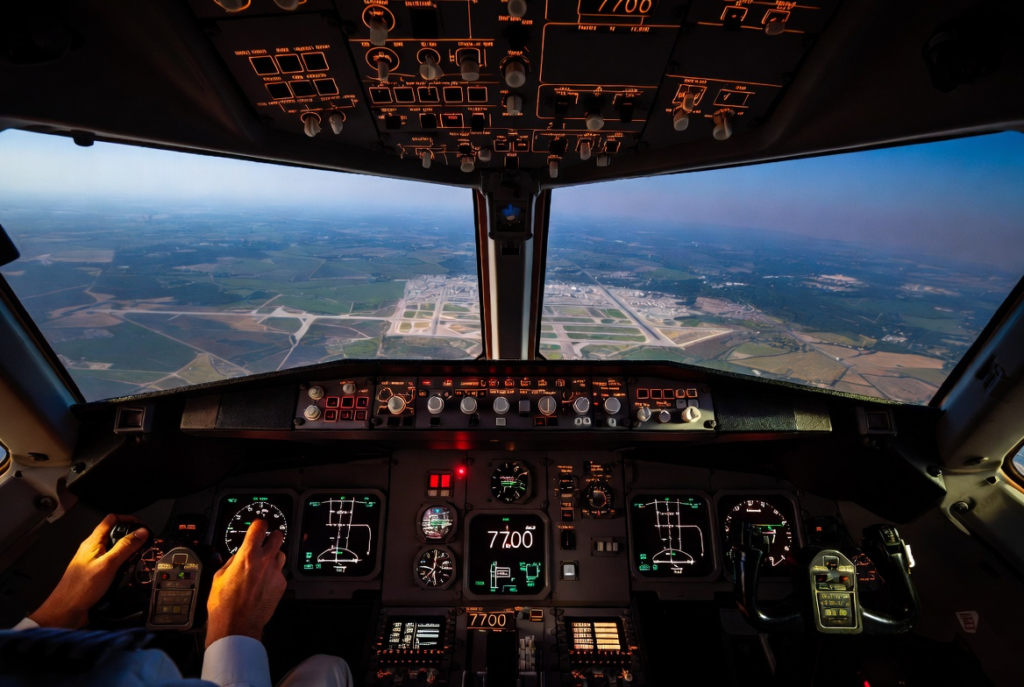
In aviation, numbers are used to talk to air traffic control quickly. A squawk code of 7700 tells everyone that a plane has an active emergency. During the delta flight dl153 diversion, the flight crew used this specific emergency code. It gives the airplane priority over all other planes in the sky.
Declaring an emergency does not mean the plane is going to crash. It simply means the crew needs extra help or a fast landing spot. The pilots wanted to make sure they had a clear path back to the airport. Air traffic controllers cleared the sky so the Airbus could land without waiting.
Looking at the Mechanical Issues and Technical Glitches
A modern airplane is a very complex machine with many moving parts. Sometimes, a sensor or a mechanical part does not work perfectly. The main reason for this specific delta flight dl153 diversion was an unexpected mechanical issue. Delta Air Lines confirmed this detail in an official statement later that week.
The flight crew noticed an abnormal reading on their cockpit screens shortly after takeoff. Because safety is the most important rule in the sky, they did not ignore the warning. They chose to follow their safety checklist completely. Returning to the main airport was the smartest way to fix the problem safely.
The Danger of Flying Across the Atlantic Ocean
You might wonder why the flight could not just continue to the United States. The path from Paris to Minneapolis goes right over the vast North Atlantic ocean. If you have a problem over the ocean, there is nowhere to land. The delta flight dl153 diversion happened because the pilots wanted to avoid this risk.
Flying for hours over water with a known mechanical issue is very dangerous. The closest airport could be thousands of miles away if things get worse. By turning back early, the pilots kept the plane near safe runways. This choice shows how professional training keeps passengers safe every single day.
Passenger Safety Protocols and Airline Response
When an emergency happens, passengers can feel very nervous and scared. The cabin crew is trained to keep everyone calm and comfortable. During the delta flight dl153 diversion, the flight attendants did a wonderful job. They explained the situation clearly without causing panic in the cabin.
The plane landed smoothly back in Paris just 53 minutes after it first departed. Emergency trucks were waiting on the ground, which is standard safety practice. Thankfully, nobody was hurt, and the plane taxied safely back to the airport gate. The airline immediately started working to help the passengers reach their destination.
How Delta Air Lines Accommodated Delayed Travelers
A sudden flight cancellation can ruin travel plans and cause a lot of stress. Delta Air Lines apologized to all the customers affected by the disruption. The airline staff worked fast to find new seats for everyone on other flights leaving Paris.
Passenger Care Workflow:
Safe Landing -> Gate Return -> Luggage Retrieval -> Rebooking New Flights
Some travelers got seats on different planes the very same day. Others received hotel rooms and food vouchers if they had to wait until the next morning. Taking care of people after an emergency landing is a big part of building good airline trust.
Comparing Past Events and Transatlantic History
This specific flight number has experienced interesting route changes in the past as well. Aviation records show another delta flight dl153 diversion that occurred when a plane had to stop in Boston. It is common for long flights to change paths due to bad weather or passenger medical issues.
A diversion does not mean an airline is unsafe or bad at its job. In fact, it proves that the safety tracking systems are working correctly. It is always much better to land early and fix a small problem on the ground than to have a big problem in the air.
The Role of Flight Tracking Tools for Modern Aviation
Today, anyone can watch planes fly in real time using a phone or a computer. Websites like Flightradar24 and AirNav Radar showed the delta flight dl153 diversion as it happened. Thousands of people watched the online map as the plane turned around.
These digital tools track the altitude, speed, and exact path of the aircraft. They help family members know if a flight is late or changing direction. This transparency helps everyone understand what is happening in the sky much better.
Conclusion
Modern air travel remains the safest way to travel long distances across the world. The quick resolution of the delta flight dl153 diversion is a great example of this success. The smart pilots, careful controllers, and strong safety rules worked together perfectly.
Next time you board a flight, you can feel confident in the team flying the plane. They are always ready to make the safest choice, even if it means turning back home. Safe flying is always worth a little bit of a delay.
Frequently Asked Questions
What caused the delta flight dl153 diversion?
The primary cause of the turnaround was a mechanical issue discovered shortly after takeoff. The pilots noticed a technical glitch and decided to return to Paris to ensure absolute safety.
Where did the flight take off from and where was it going?
The flight departed from Paris Charles de Gaulle Airport (CDG) in France. It was scheduled to fly to Minneapolis-Saint Paul International Airport (MSP) in the United States.
Did the plane land safely after declaring an emergency?
Yes. The aircraft landed safely at the Paris airport just 53 minutes after takeoff. No passengers or crew members were injured during the incident.
What does a squawk 7700 code mean?
A squawk code of 7700 is an international signal used by pilots to declare a general emergency. It gives the airplane priority over all other air traffic in the area.
How did the airline help the passengers on the flight?
Delta Air Lines apologized for the trouble and rebooked the passengers on other available flights. They also provided extra assistance at the airport terminal.
Why didn’t the plane land at a closer airport?
The pilots chose to return to Paris because it was their home base for that flight. The airport had the right tools, mechanics, and spare parts to handle the aircraft.
