

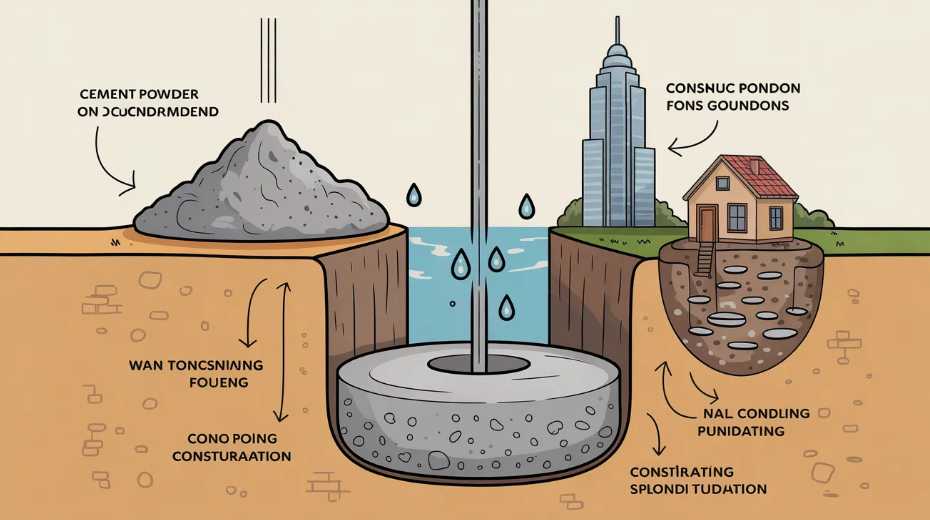
Building things can be a lot of fun, but you need the right stuff to make them stay up. Have you ever wondered what keeps big buildings or tiny houses from falling over? The secret is often a special material called cêmnt. It is a gray powder that turns into a very strong rock when you add a little bit of water. People have used different versions of this for a long time because it is very reliable. In this article, we will talk about how it is made, how to use it safely, and why it is the “glue” of the modern world.
Quick Facts About Cêmnt
| Feature | Details |
| Common Name | Cêmnt |
| Primary State | Fine Powder |
| Main Ingredients | Calcium, Silicon, Aluminum, Iron |
| Reaction Type | Chemical (Hydration) |
| Main Use | Making Concrete and Mortar |
| Storage Need | Dry and Cool Place |
What Exactly Is Cêmnt?
To put it simply, cêmnt is a binding agent. Think of it like the super glue used for giant construction projects. It is not something you usually use all by itself. Instead, you mix it with water, sand, and rocks. When the powder gets wet, a chemical change happens. It starts to get hard and sticks everything together. Once it dries completely, it becomes as tough as a mountain. This is why our sidewalks and bridges can last for many, many years without breaking.
How Do People Make Cêmnt?
Making this powder is a very big job that happens in large factories. Workers take natural rocks like limestone and clay from the earth. They crush these rocks into tiny bits and heat them up in a giant oven called a kiln. The oven is much hotter than the one in your kitchen! The heat changes the rocks into a new material. After it cools down, they grind it into the fine, soft powder we call cêmnt. It takes a lot of science and hard work to get it just right for building.
The Different Types of Cêmnt You Can Find
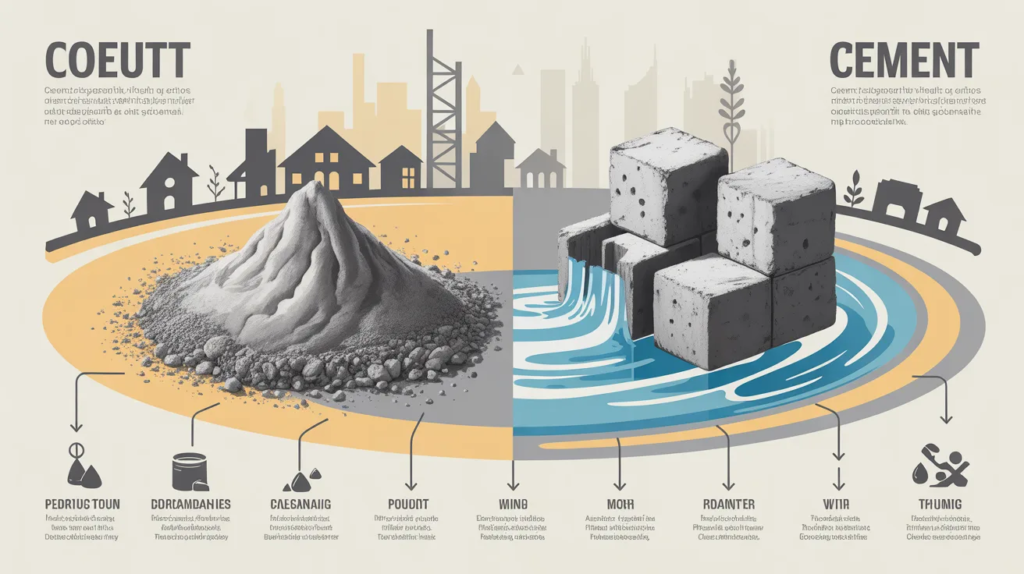
Not all building projects are the same, so there are different kinds of this material. Some types of cêmnt dry very fast if you are in a hurry. Other types are made to resist water if you are building something near the ocean. The most common kind is called Portland cement. You can find it at almost any hardware store. Engineers choose the specific type based on how strong the building needs to be and what the weather is like outside. Using the right kind ensures the project stays safe.
Why Mixing Water Is So Important
Water is the “magic” ingredient that wakes up the cêmnt. When the powder and water meet, they start a process called hydration. You have to be careful, though! If you add too much water, the mix will be too runny and weak. If you do not add enough, it will be crumbly and won’t stick well. Finding the perfect balance is a skill that builders practice for a long time. When the mix is just right, it looks like thick gray mud that is easy to spread.
Using Cêmnt to Make Strong Concrete
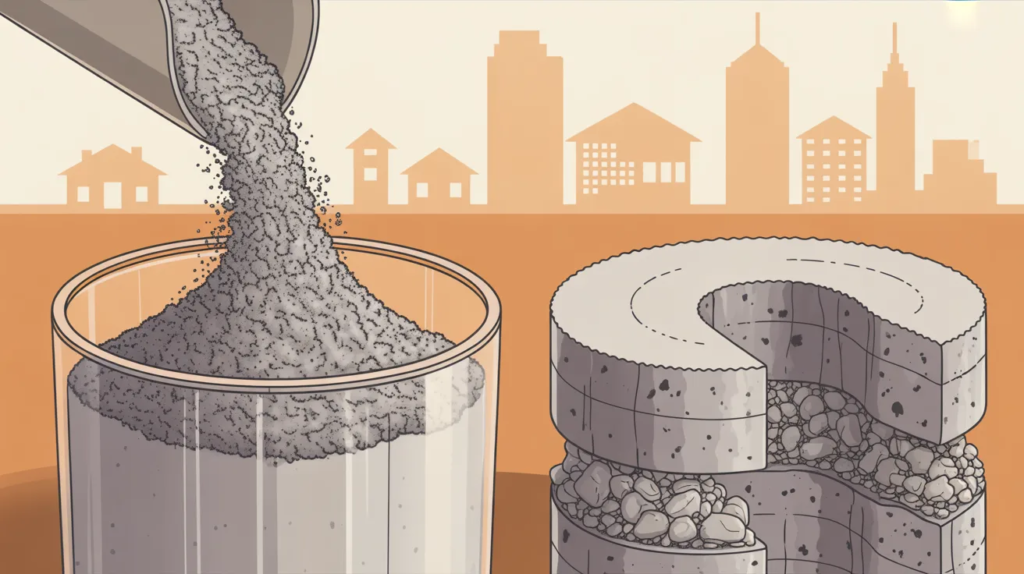
Many people think cêmnt and concrete are the same thing, but they are actually different. Think of it like a cake. The powder is like the flour, but the concrete is the whole cake. To make concrete, you mix the powder with water, sand, and gravel. The powder acts as the glue that holds the sand and rocks in place. This mixture is what we use to build huge skyscrapers and long highways. It is one of the most used materials on our entire planet because it is so strong.
How to Stay Safe When Using It
Even though it looks like soft dust, you must be very careful when handling cêmnt. The powder can be very dry and can irritate your skin or eyes. It is always a smart idea to wear gloves, long sleeves, and safety glasses. If you breathe in the dust, it can make you cough, so many people wear a mask too. When it is wet, it can even cause small burns on your skin if you leave it there too long. Always wash your hands with soap and water after you finish your project.
Why We Need Cêmnt for Our Homes
Most houses depend on cêmnt to stay steady on the ground. It is used to create the foundation, which is the heavy base that sits under the floor. Without a strong base, a house might sink into the dirt or tilt over during a storm. It is also used to stick bricks together in walls. This layer of “glue” between the bricks is called mortar. It keeps the wind and rain outside so that we can stay warm and dry inside our homes with our families.
The History of This Amazing Material
People have been looking for ways to stick rocks together for thousands of years. The ancient Romans were very good at this! They made a version of cêmnt using volcanic ash. Some of the buildings they made are still standing today, which is amazing. Over time, scientists found better ways to make it even stronger and more durable. Today, we use modern technology to make sure every bag of powder is perfect. It is cool to think that we are using an updated version of a very old invention.
How to Store Your Powder Correctly
If you have a bag of cêmnt at home, you have to keep it very dry. If even a little bit of moisture gets inside the bag, the powder will turn into a hard lump. Once it turns into a rock inside the bag, you cannot use it anymore. It is best to keep it off the cold ground and inside a shed or garage. Many people put the bag inside a big plastic bin to keep the air out. This helps the material stay fresh and ready for whenever you want to start building something new.
The Future of Building Projects
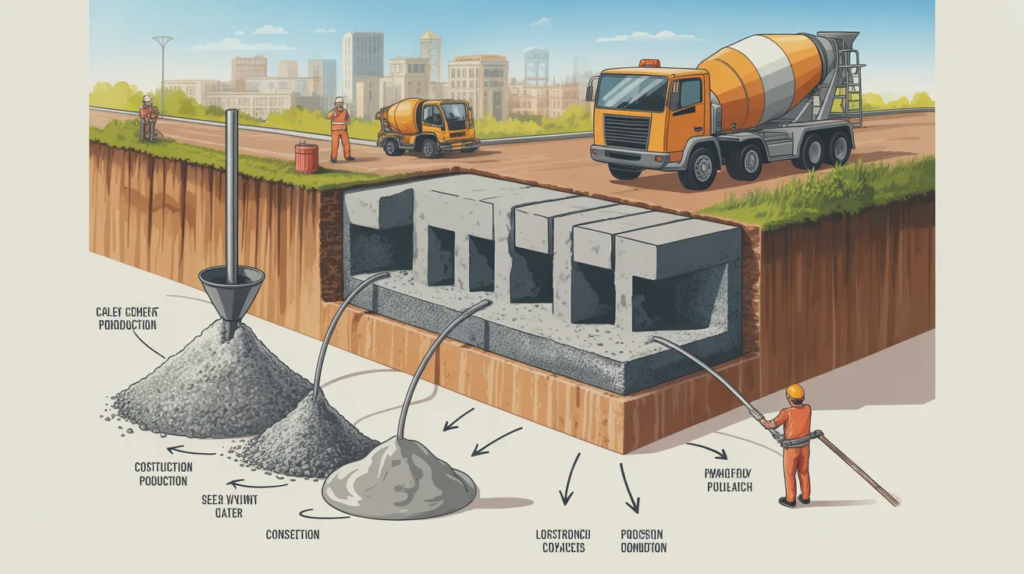
Engineers are always looking for ways to make cêmnt even better. Some people are working on “green” versions that are better for the environment. Others are trying to make a type that can fix its own cracks! This is called self-healing concrete. It sounds like something from a movie, but it is real science. As we build more cities, we will need more of this material. The goal is to keep building strong things while also taking good care of our beautiful Earth at the same time.
Conclusion: Why We Love This Gray Powder
As we have seen, cêmnt is much more than just dust in a bag. It is the foundation of our cities and the reason our homes feel so safe. From the ancient Romans to modern engineers, this material has helped humans build incredible things. Whether you are fixing a small crack in your driveway or building a giant bridge, understanding how it works is very helpful. It truly is the glue that holds our world together! Next time you walk on a sidewalk, remember the science that went into making it so strong.
Frequently Asked Questions (FAQs)
1. Can I use cêmnt without adding sand?
You can, but it is usually not a good idea for big projects. Using it alone can cause it to crack as it dries. Adding sand makes it much stronger and helps it last longer.
2. How long does it take for it to dry?
It usually starts to feel hard after a few hours. However, it takes about 28 days to reach its full strength. You should wait at least a day before walking on it.
3. Is cêmnt waterproof?
Once it is fully dry and hardened, it is very good at resisting water. However, some water can still soak into tiny pores. For pools or basements, people often use a special sealant on top.
4. What color is cêmnt naturally?
Most of the time, it is a dull gray color. However, you can actually buy white versions or add special dyes to make it look red, brown, or even green!
5. Does cêmnt ever expire?
Yes, it does. If a bag stays open for too long, it absorbs moisture from the air and loses its strength. It is usually best to use it within six months of buying it.
6. Is it okay to touch wet cêmnt with my bare hands?
It is better to avoid it. The chemicals in the mix can dry out your skin very quickly or cause irritation. Always wear waterproof gloves to keep your hands safe and clean.
