

What is a Call Bomber?
A call bomber is an automated tool or system designed to repeatedly place a large number of phone calls to a specific phone number within a very short time. The main goal is to overload the target’s phone line so that normal communication becomes difficult or completely blocked.
In most cases, call bombers are not legitimate tools. They are commonly associated with harassment, disruption, and misuse of communication systems. Although some websites describe them as “prank tools,” their actual impact is often harmful and can affect both individuals and businesses.
Modern telecommunication networks are built to handle large volumes of calls, but they still require protection systems to prevent abuse like call bombing.
How a Call Bomber Works (Concept Overview)
Call bombing works through automation rather than manual dialing. Instead of a person making repeated calls, software or scripts are used to generate continuous call attempts.
The process usually involves:
- Automated dialing scripts
- Internet-based calling systems (VoIP platforms)
- Repeated API requests to calling services
- Loop-based programs that trigger nonstop calls
Because of this automation, a call bomber can generate hundreds or even thousands of calls in a very short period. This overwhelms the recipient’s phone, making it difficult to receive genuine calls.
However, telecom companies have developed advanced filtering systems that can detect abnormal call patterns and block many of these attempts before they reach the target.
Why Call Bombers Are Misused
Call bombers are almost always used for harmful or unethical purposes. While some people may claim they are used for jokes or pranks, the reality is different.
Common misuse reasons include:
- Personal revenge or anger
- Harassing or intimidating someone
- Disrupting business or customer support lines
- Cyberbullying or online harassment
- Testing or abusing weak online systems
- Creating panic or stress for victims
In many cases, call bombing is combined with other forms of digital harassment such as SMS spam or fake account attacks, increasing the overall damage to the victim.
Impact of Call Bombing on Victims
The effects of call bombing go far beyond inconvenience. It can affect emotional health, communication, and even financial stability.
Communication Disruption
Victims often cannot receive or make normal phone calls due to constant ringing or repeated call attempts.
Psychological Stress
Continuous calls can cause anxiety, frustration, and fear. If the attacker is unknown, the victim may feel unsafe or targeted.
Business Damage
For businesses, especially those relying on phone communication, call bombing can disrupt customer service, lead to missed opportunities, and damage reputation.
Emergency Risks
Important emergency calls from family, hospitals, or services may be missed during an ongoing call bombing attack.
Device Overload
Some phones may slow down or become difficult to use due to constant call notifications.
Legal Consequences of Call Bombing
Call bombing is illegal in many countries and is considered a form of cyber harassment or telecommunication abuse. Laws are strict because such actions intentionally disrupt communication systems and target individuals without consent.
Possible legal consequences include:
- Heavy fines
- Criminal charges
- Imprisonment depending on severity
- Seizure of devices for investigation
- Permanent criminal record
Cybercrime units and telecom regulators actively investigate such cases using call logs, IP tracking, and network monitoring systems.
Even if someone thinks of it as a prank, it is often treated as a serious offense under cyber laws.
Cybersecurity Risks of Call Bombers
Call bombing highlights several important cybersecurity concerns in modern digital communication systems.
Abuse of Automation
Automated systems can be misused to generate high volumes of traffic without human effort, making abuse easier.
Network Strain
Large-scale call flooding can create unnecessary load on telecom infrastructure.
Identity Masking
Attackers often use anonymous tools, making it difficult to trace them directly.
Combined Cyber Attacks
Call bombing is sometimes used alongside phishing, SMS spam, or social media harassment campaigns.
Service Disruption
In extreme cases, repeated call flooding may affect system performance for other users on the same network.
How Telecom Companies Prevent Call Bombing
Telecommunication providers use multiple advanced systems to reduce and prevent call bombing attacks.
Rate Limiting Systems
These systems restrict the number of calls that can be made from a single source within a short time.
AI-Based Monitoring
Artificial intelligence detects unusual calling patterns and automatically flags suspicious behavior.
Spam Call Filtering
Suspicious calls are blocked or labeled before reaching the recipient.
Blacklisting Abusive Sources
Numbers or systems identified as abusive can be permanently blocked.
Traffic Analysis Tools
Networks continuously monitor call volume to detect sudden spikes or abnormal patterns.
These systems are regularly updated to deal with new abuse methods.
How to Protect Yourself from Call Bombing
Individuals can take several steps to reduce the risk of being targeted:
Keep Your Number Private
Avoid sharing your phone number publicly on social media or untrusted websites.
Use Call Blocking Features
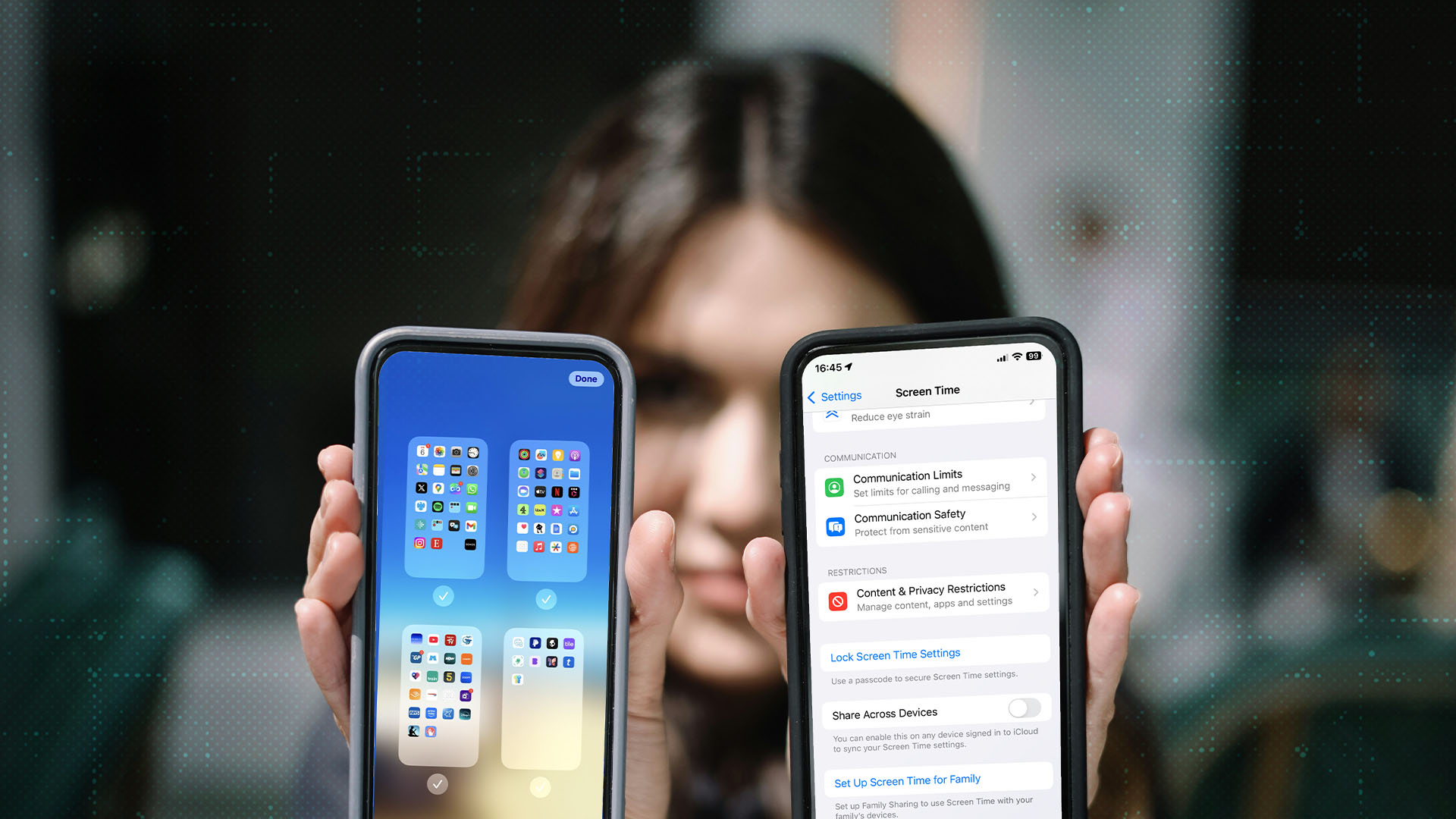
Most smartphones offer built-in spam and unknown caller blocking options.
Enable Silence Unknown Callers
This feature helps filter calls from unknown numbers automatically.
Use Security Applications
Mobile security apps can help detect and block spam or suspicious calls.
Do Not Respond to Unknown Calls
Answering unknown calls may confirm that your number is active, increasing risk.
What to Do If You Are Targeted
If you experience call bombing, it is important to stay calm and take proper steps:
- Do not keep answering unknown calls
- Enable Do Not Disturb mode or silence unknown callers
- Save call logs or screenshots as evidence
- Report the issue to your mobile network provider
- File a complaint with cybercrime authorities if needed
Telecom providers can often investigate and apply network-level protections once they receive proper evidence.
Ethical Considerations of Call Bombing
Call bombing raises serious ethical concerns about the misuse of technology. Communication systems are designed to connect people, not to harm or disrupt them.
Even if used as a prank, the consequences can be severe for victims. This makes it a clear violation of digital ethics.
Key ethical principles include:
- Respecting privacy and consent
- Avoiding harm to others
- Using technology responsibly
- Following legal boundaries
Promoting digital awareness can help reduce misuse and encourage responsible behavior online.
Conclusion
A call bomber is an automated system used to flood a phone number with repeated calls, causing disruption and distress. While it may sometimes be described as a prank tool online, its real-world impact is harmful and often illegal.
Understanding how call bombing works, recognizing its risks, and knowing how to protect yourself are essential parts of modern digital safety. With strong cybersecurity systems and responsible user behavior, the negative impact of such abusive tools can be reduced, making communication networks safer and more reliable for everyone.
